%2Ffit-in%2F250x250%2Fguide_websites%2F132213%2Fimages%2F1777007603851logo.png&w=1920&q=100)
Cobia Fishing Charter in Port Canaveral FL
Cobia Fishing in Port Canaveral - What to Expect
%2F%2Fusers%2Fd16bd2ff-7014-416e-b30b-2f7c7be61446%2Fimages%2Fport-canaveral-cobia-fishing-success-2549.jpg&w=1920&q=75)
Fishing Charter by Captain Jason Fifer in April

Meet your Captain Jason Fifer
- Port Canaveral Inshore Fishing Charters


Summary
Join a fishing charter in Port Canaveral on Thursday, April 24th with Captain Jason Fifer of Extreme Sport Fishing LLC. This cobia fishing experience targets premium Atlantic game fish in their seasonal habitat, offering anglers the chance to land trophy-sized catches in productive offshore waters.
Fishing Charter with Captain Jason Fifer - Rates & Booking
Captain Jason Fifer of Extreme Sport Fishing LLC guided an incredible fishing charter on Thursday, April 24th that showcased what Port Canaveral cobia fishing is all about. This fishing charter delivers access to prime Atlantic waters where experienced anglers can pursue some of the most exciting game fish available along Florida's coast. If you're interested in booking a similar experience, contact Extreme Sport Fishing LLC directly for current rates, availability, and specific package details tailored to your group size and preferences.
Trust this outfitter for their local expertise navigating Port Canaveral's waters and their commitment to helping both seasoned anglers and newcomers achieve memorable catches. Fishing charters like these typically include all necessary gear and the captain's expert knowledge of seasonal patterns and prime fishing locations.
Highlights of Cobia Fishing Charters
The real magic happens when you get out on the water and experience cobia fishing firsthand. Port Canaveral's strategic location along Florida's central coast provides year-round fishing opportunities, with spring being particularly productive for targeting cobia. These powerful fish are known for their aggressive strikes and hard-fighting nature, making every hookup an adrenaline-filled moment. The charter environment puts you in direct contact with the Atlantic's best, with experienced crew working to locate and position anglers for successful encounters.
Bringing friends or family adds another dimension to the experience. Watching fellow anglers land impressive specimens creates those shared moments that make fishing trips memorable. The camaraderie, the skill involved, and the genuine excitement of success combine to create an experience you'll be talking about for years.
Local Species Insights: Cobia
Cobia are remarkable Atlantic fish that deserve respect and understanding. These powerful swimmers patrol deeper waters and nearshore structures, often solitary or in small groups. They're known for their aggressive feeding behavior and incredible strength once hooked, making them a premier target for sport fishing.
What makes cobia fishing around Port Canaveral special is the consistency and quality of the fishery. The warm Atlantic waters combined with abundant baitfish and structured habitats create ideal conditions for cobia populations. These fish respond to live bait presentations and artificial lures with predictable aggression during their seasonal runs. Understanding their behavior patterns, habitat preferences, and feeding windows separates average fishing days from exceptional ones.
Port Canaveral itself sits at an intersection of productive fishing grounds. The channel infrastructure, nearshore reefs, and deeper offshore waters all hold cobia during peak seasons. Local guides like Captain Jason Fifer spend countless hours on these waters, accumulating knowledge about current movements, seasonal patterns, and the precise techniques needed to consistently find and catch quality fish. That institutional knowledge transforms a fishing trip from a casual outing into a targeted, purposeful expedition with real success potential.
The fishing conditions around Port Canaveral remain favorable throughout the year, though spring and early summer typically offer the most consistent action for cobia. Water clarity, temperature transitions, and baitfish availability all influence daily success rates. Experienced captains monitor these variables constantly, adjusting strategies to match current conditions and maximize your chances of connecting with trophy-sized specimens.
Plan Your Fishing Day
A typical cobia fishing charter involves early morning departure to capitalize on prime feeding windows. You'll want to arrive ready to go, with sun protection, proper footwear for wet boat decks, and a willingness to stay focused on fishing throughout the day. Most charter operations provide all fishing gear, tackle, and equipment needed, so you can concentrate on the experience itself.
Bring plenty of water and any personal snacks you prefer, and wear clothes suitable for being on the water in Atlantic conditions. The crew handles all technical aspects of boat operation and fish location, while you focus on technique, patience, and enjoying the process. Whether you're an experienced angler or trying cobia fishing for the first time, a professional charter with an expert captain like Jason Fifer ensures you get proper instruction and the best possible chance at success.
Fishing in Port Canaveral: Cobia
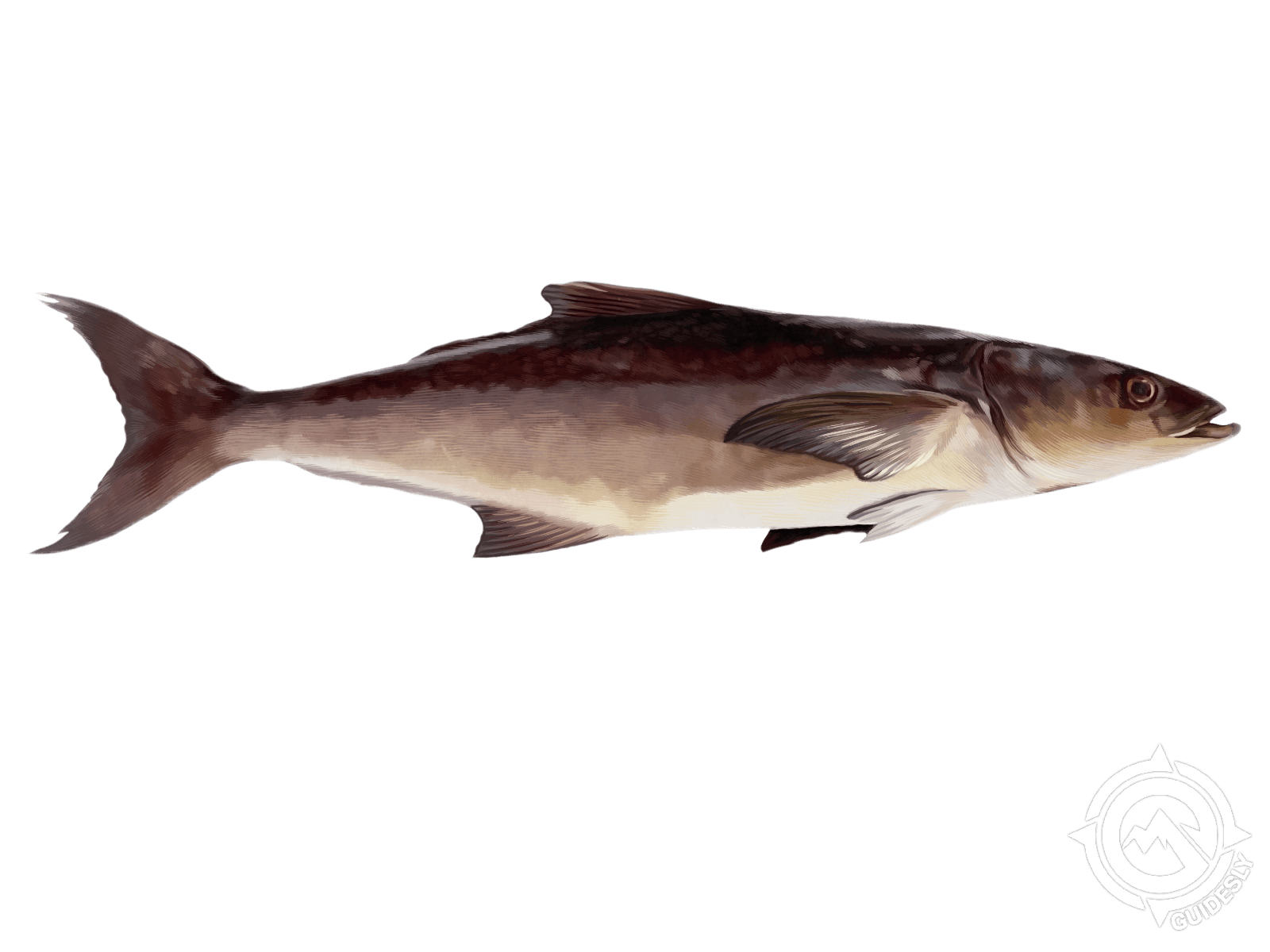
Cobia Overview
The Cobia (Rachycentron Canadum) is a remarkable and solitary predator belonging to the family Rachycentridae and order Perciformes. This dark brown fish with a distinctive lighter belly is often mistaken for a shark due to its single dorsal fin, making it one of the most visually intriguing species to encounter whether you're fishing off the coast of Florida or exploring offshore structures in the Gulf of Mexico. What makes the Cobia truly special is that it's the only member of its family found in North American waters, and juvenile fish display absolutely stunning colorations with black and white stripes accented by orange, bronze, and green splashes. Anglers and seafood enthusiasts alike prize this species for its aggressive predatory behavior, firm meat texture, and excellent flavor, making it a genuine prize catch for both sport and culinary purposes.
The Cobia's solitary nature sets it apart from most game fish—they don't school except during spawning season, which means every encounter feels like a personal victory. This behavior has made them impossible to target commercially through traditional net fishing, so nearly all Cobia sold in restaurants comes from aquaculture operations, often commanding premium prices. If you're seeking an exciting fishing experience with a fish that's both challenging to locate and absolutely delicious, the Cobia should be high on your list.
Cobia Habitat and Distribution
Cobia thrive in warm temperate and tropical waters throughout the Atlantic Ocean, Caribbean Sea, Indian Ocean, and Pacific coastal regions near Australia and Japan. In North America, they're most abundant from Virginia down through the Gulf of Mexico, with seasonal migrations that create predictable fishing opportunities. These fish are overwhelmingly pelagic—meaning they inhabit the upper ocean layers—yet they'll venture into estuaries and mangrove systems when hunting for food. While typically found at depths of 30 feet or less during spring migrations, they can descend to 300 feet, particularly around offshore oil rigs and deep-water structures.
You'll find Cobia congregating around reefs, wrecks, buoys, harbors, and man-made structures that provide shelter and concentrate prey. During late fall and winter, Atlantic populations migrate south and offshore toward warmer waters, while those found in the northeastern Gulf of Mexico during summer months move into south Florida waters and the Florida Keys. Their ability to inhabit a wide range of temperatures and salinities makes them adaptable hunters, yet they remain faithful to structural habitats that offer hunting advantages. Current breaks and rip lines created by these structures are particularly productive zones where fish gather to feed.
Cobia Size and Weight
An average adult Cobia reaches approximately 6 feet in length and weighs around 100 pounds, making them a substantial and respectable catch for any angler. The size range you're likely to encounter spans from 24 inches on the smaller end to 79 inches for truly trophy specimens, with weights varying from 10 pounds for smaller juveniles to impressive 80-pound-plus fish in peak condition. The largest Cobia ever landed on a rod and reel was caught in Shark Bay, Australia, and tipped the scales at a remarkable 135 pounds—a testament to the species' potential for growing quite large in ideal conditions. These fish typically live up to 12 years in the wild, giving them plenty of time to develop into formidable predators that test the skills of experienced anglers.
Cobia Diet and Behavior
Cobia are strong, aggressive predators with a diverse diet centered primarily on crustaceans, though they'll readily consume smaller fish and squid when available. Their feeding strategy is opportunistic and forceful—they actively hunt by sight and actively pursue prey with considerable speed and power. As solitary hunters, they don't rely on schooling behaviors to corner prey; instead, they position themselves around structures and current breaks where prey naturally concentrates. Young Cobia face predation pressure from larger pelagic fish, which helps regulate population dynamics in their ecosystems.
The solitary nature of Cobia makes them fascinating from a behavioral standpoint. Except during spawning seasons, they remain spread out and rarely concentrate together, which is why you'll seldom see a group of them clustered in one area. This individualistic behavior means anglers must rely on sight-fishing techniques or deep structural knowledge rather than simply casting into schools. Their strong, intelligent predatory instincts make them exciting to pursue—they're not passive feeders but active hunters that respond decisively to properly presented lures and baits.
Cobia Spawning and Seasonal Activity
Cobia mature relatively young compared to many ocean fish—females reach sexual maturity at age 3, while males mature at age 2. The spawning season varies by geographic location, occurring from June to August in the Southeast US and shifting to August through October in the Gulf of Mexico. During their spawning periods, these fish congregate in coastal bays and estuaries, creating reliable fishing opportunities for anglers who time their trips correctly. Females release an astonishing up to 2 million eggs each time they spawn, though they spawn multiple times throughout the season, ensuring significant reproductive output.
The spring migration period is particularly productive for anglers, as fish move from deeper winter habitat into shallower spawning grounds. This predictable movement creates concentrated fishing opportunities in traditional hotspots. After spring spawning migrations conclude, Cobia disperse to reef and wreck structures that serve as their summer haunts. Understanding these seasonal movements is crucial to successful Cobia fishing—spring migrations and spawning periods concentrate fish in specific locations, while summer and fall fishing requires more detailed knowledge of structural habitats where solitary fish hide and hunt.
Cobia Techniques for Observation and Capture
Sight Fishing During Migrations: During the spawning season and spring migration periods, target Cobia in water depths around 30 to 70 feet by sight fishing—looking for the fish just below or breaking the water's surface. This technique is thrilling because you'll often see the fish before casting, allowing you to make precise presentations. Polarized sunglasses are essential for spotting these distinctive silhouettes. Around coastal Florida and the Gulf of Mexico during peak season (spring months), you might spot Cobia cruising near the surface hunting for baitfish, presenting incredible visual fishing opportunities.
Structure-Based Fishing: After spring spawning migrations conclude, shift your focus to reefs, wrecks, and other structural features where Cobia spend their summer months. Look specifically for rip lines or current breaks created by these structures—these are prime feeding zones where fish concentrate to ambush passing prey. Jigs in the 4 to 8 ounce range are the most popular lures for structure fishing, though don't hesitate to experiment with lighter jigs in shallower areas. Cast your jig near the structure and work it through the water column with steady, deliberate movements.
Lure Selection and Presentation: Cobia respond well to various lures including crankbaits, topwater plugs, jigs, and imitation eel baits, though bucktail jigs remain the most reliable choice, especially around reefs and structures. Interestingly, color doesn't seem to matter nearly as much as many anglers believe—experienced guides report consistent success with virtually all color combinations. The key is presenting your lure with confidence in the right habitat at the right time, allowing the lure's action and vibration to trigger aggressive strikes from these predatory fish.
Cobia Culinary and Utilization Notes
Cobia is prized as excellent table fare, valued for its firm texture, white meat, and outstanding flavor that appeals to both home cooks and professional chefs. The fish's culinary qualities have made it increasingly important to the seafood industry, with farm-raised operations now supplying most commercial markets. Because wild Cobia are solitary and difficult to catch commercially through conventional fishing methods, virtually all restaurant-quality Cobia comes from aquaculture operations, which explains its typically premium pricing on seafood menus. The firm flesh holds up beautifully to grilling, baking, pan-searing, or poaching, and the mild, slightly sweet flavor pairs well with classic seafood preparations and lighter sauces.
From a nutritional standpoint, Cobia provides excellent protein content and healthy omega-3 fatty acids, making it a nutritious choice for health-conscious diners. The meat's natural succulence means minimal fat addition is needed during cooking, allowing the fish's pure flavor to shine through. Whether you're catching your own or purchasing from a quality seafood vendor, Cobia delivers a memorable eating experience that justifies the effort required to pursue this challenging and rewarding species.
Cobia Frequently Asked Questions
Q: What is the best bait or lure for catching Cobia?
A: Bucktail jigs in the 4 to 8 ounce range are the most popular and productive choice, especially around reefs and structures. However, Cobia also respond well to crankbaits, topwater lures, and imitation eel baits. Interestingly, color doesn't seem to significantly impact success rates—focus instead on proper presentation, correct depth, and fishing prime structural areas. Experiment with different weights and styles until you find your preferred technique.
Q: Where can I find Cobia near major fishing destinations?
A: Cobia are most abundant from Virginia south through the Gulf of Mexico. In spring, fish concentrated bays and estuaries during spawning migrations around depths of 30 to 70 feet. Summer and fall, shift focus to reefs, wrecks, and offshore structures. Areas like the Florida Keys, the northeastern Gulf of Mexico, and coastal structures off Texas and Louisiana consistently produce excellent Cobia fishing opportunities throughout the year.
Q: Is Cobia good to eat?
A: Absolutely! Cobia is considered excellent table fare with firm, white meat and outstanding flavor. It's prized by seafood professionals and home cooks alike. The meat's natural succulence and mild taste make it versatile for various cooking methods—grilling, baking, pan-searing, and poaching all produce delicious results. Most commercial Cobia comes from farm-raised operations, as wild fish are difficult to catch commercially due to their solitary nature, which is why restaurant-quality Cobia commands premium prices.
Q: When is the best time to catch Cobia?
A: Spring migration and spawning season (June to August in the Southeast US, August to October in the Gulf of Mexico) creates the most concentrated and productive fishing. During these periods, fish move into predictable shallow spawning grounds, making them easier to locate through sight fishing. Summer months offer excellent structure-based fishing around reefs and wrecks, while fall can be productive as well. Winter sees fish move to deeper, warmer offshore waters, making them less accessible to shore and nearshore anglers.
Q: How can I distinguish a Cobia from other fish species?
A: Cobia have a distinctively dark brown body with a lighter belly and a single dorsal fin, which often causes confusion with sharks. Juvenile fish display striking black and white stripes with orange, bronze, and green splashes. The Cobia's body is much more stout than its cousin, the Remora (or suckerfish), and notably lacks the dorsal sucker characteristic of Remora species. Once you've seen a Cobia in person or in clear photos, you'll recognize the distinctive silhouette immediately.
Q: What makes Cobia different from other game fish in their habitat?
A: Unlike most game fish, Cobia are solitary hunters and rarely school except during spawning season. This behavior makes traditional commercial fishing methods ineffective, resulting in virtually all market Cobia coming from aquaculture. For anglers, this means you're fishing for individual fish rather than schools, requiring either sight-fishing skills or detailed knowledge of structural habitats. Their strong, aggressive predatory nature and excellent table quality make every successful catch a meaningful achievement rather than one in a series of easy catches.